

Plant-based supplements market in India is experiencing excellent growth as plant-based supplements emerge from niche health stores to mainstream consumer consumption, driven by increased health awareness, and a growing vegetarian population.
Market at a Glance:
₹185 billion market size in 2024, projected to reach ₹558 billion by 2033 with a robust 12.82% CAGR
Key Growth Drivers
These are the main factors driving the market for plant based supplements:
- Vegetarian Population: Increased health awareness (post-pandemic) and a huge vegetarian population in India that naturally gravitates toward plant-based options.
- Lactose Intolerance Prevalence: Lactose intolerant consumers are opting for plant-based and dairy-free formulations.
- Ayurvedic Integration: Traditional Ayurvedic supplements are also dominating this segment.
Plant-Based Protein Supplements
Popular plant protein sources include:
- Soy Protein: Maintaining dominance with established nutritional credentials
- Pea Protein: Gaining popularity due to superior digestibility and allergen-free profile
- Rice Protein: Emerging as hypoallergenic alternative
- Hemp Protein: Growing niche for complete amino acid profiles
Ayurvedic Plant-Based Formulations
Traditional herbs are also experiencing resurgence through modern supplement formats:
- Ashwagandha for stress management and energy
- Turmeric and curcumin for inflammation support
- Brahmi and Shankhpushpi for cognitive enhancement
- Amla and Giloy for immunity building
Market Players
The competitive landscape in India features a mix of established FMCG companies, specialized nutraceutical brands, and emerging startups.
For example:
- Established Giants: Tata Consumer Products
- Specialized Brands: Herbal Hills, Vippy Industries
- Emerging Players: Plantvita, GetmyMettle, Myfitness, Gooddot
- Innovation Focus: Plantaway, Wakao Foods
As India continues its journey toward becoming a global wellness destination, plant-based supplements will play an increasingly important role in meeting the nutritional needs of health-conscious consumers while contributing to ethical consumption patterns.
Medicinal Herbs: Alternative Medicine for healing
Herbs are small and weak plants with thin, green, soft stems. Since the olden days, herbs have been widely used for preparing medicines.
Indians have always used medicinal herbs for healing purposes. Most herbs have been found to be rich in antioxidants and have anti-inflammatory, antiseptic and carminative (relieves flatulence) properties.
Down with cold and cough? Suffering from insomnia? Burnt your fingers and don’t know which antiseptic to apply? Fear not!
Dadima ke nushke (Grandmother’s prescriptions) can never go out of fashion.
Moreover, as long as we can remember, we have been cooking with different kinds of herbs. And now, several studies have proven dadima (grandmother) true.
These products are now making a comeback of sorts with more people looking at natural ways to cure health problems and build immunity.
Nutritional supplements (including herbal extracts), when used as a part of a healthy lifestyle, can help you reach optimum health.
The global herbal supplements and remedies market is expected to show robust growth, spurred by an aging population and increasing consumer awareness about general health and well-being.
Common Herbs Used by Indians
Turmeric
Turmeric or haldi root is a herb and is often called as ‘a cousin to ginger’. Ground and dried turmeric is often used as a spice in everyday cooking. Turmeric helps build immunity, better digestion and helps in good brain function.
Garlic
Though Garlic is a veggie, it is also considered an herb. Often used in everyday meals, garlic is best known to fight against bacteria and viruses.
Basil
Holy Basil or Tulsi is often found in most homes. Basil has many medicinal properties that helps to fight infections and has healing properties. It also has Vitamin K that boosts brain power.
Ginger
Ginger is a root often used in tea, soups, curries, etc. It is known to boost immunity and fight common cold and cough. It is also dried and powdered to be used for its medicinal properties.
Coriander
This fresh, green, leafy herb strengthens stomach, helps in better digestion and clears the toxins from our body. Its medicinal properties boost our immune system.
Mint
Also known as Pudina, mint is known for boosting digestion and good oral health. Mint is one of the oldest known herbs to mankind that has several medicinal properties.
Aloe Vera Supplements
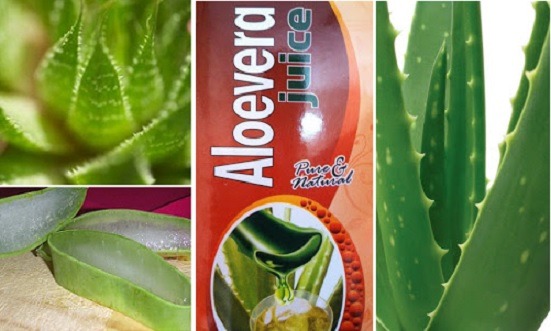 The benefits of aloe vera have been widely known for centuries (in ancient cultures) because of its healing properties. Today the potent herb Aloe Vera continues to get used in a variety of ways.
- Aloe Vera’s commonly used hindi name is GwarPatha or Ghrit Kumari in Sanskrit.
Before we take a look at the benefits, lets understand a couple of terms.
- Aloe vera gel: Its obtained from the inner leaf and is used for healing purposes (we will talk more about this here).
- Aloe vera juice (the drug aloe) is found beneath the skin of the leaf and is commonly used in laxative preparations (for constipation).
Aloe Vera is useful in the treatment of burns, blood disorders, chronic constipation, skin diseases, and healing of wounds, etc. Aloe Vera is full of medicinal properties & is very effective in treating various body ailments.
Good for Skin
For years, Aloe plant has been used for treating burns and healing wounds. It is used to treat several skin disorders such as skin ulcers, eczema, and psoriasis.
Healing Infections
The aloe plant contains anti-viral, anti-fungal and anti-bacterial agents that help us protect against infections.
Aloe Vera is also good for digestion, is beneficial in irritable bowel syndrome (IBS), and aids in the treatment of stomach ulcers, hemorrhoids, constipation, and all colon disorders.
Selecting Potent Aloe Vera Supplement
Here’s what gets confusing at times.
The juice is sometimes simply referred to as “aloe”, and sometimes the aloe gel (the one with healing properties) is mixed with water and marketed as “aloe juice”.
The best way to guarantee the potency of aloe vera is to purchase products made using standardized herbal extracts – to enjoy the full benefits of aloe vera.
As Indian consumers seek healthier alternatives to packaged fruit juices (full of sugar and sweeteners), Aloe vera juices are in high demand with several brands now also offering aloe vera blended fruit juices to make the bland aloe vera extract more interesting to end-users who want to be health conscious but are not necessarily on a strict diet.
Grow Medicinal herbs at Home

You can even grow these at home. Gardening is a great form of exercise that keeps you fit and also helps you unwind.
Here are some medicinal herbs that you can easily grow at home:
- Sage: Sage is not just a culinary herb, but medicinal too. You can grow this herb in well-drained, fertile soil, where there is enough sunlight. It can survive well in dry, indoor air, but it will need strong sunlight.
- Fennel: Fennel plant is a highly aromatic herb and is well known for its many medicinal values. You can easily grow these on your balcony. Planting fennel seeds is easy. The seeds can be sown as soon as the soil warms in the spring. Soaking seeds for a day or two before sowing will ensure better germination. Keep the soil moist till the seeds sprout.
- Rosemary: This medicinal herb increases concentration power and instantly lifts your mood. It grows best in sandy or gravelly soil and prefers neutral to alkaline conditions with average fertility.
- Basil: This medicinal herb can help with lack of appetite, cuts and scrapes. Sow basil seeds in a warm, sunny corner of your house and provide water on a regular basis to retain moisture after the soil has warmed.
- Lemon Balm: This is a versatile medicinal herb that helps relieve anxiety, insomnia, wounds, flatulence and upset stomach. This herb easily grows rich, moist but well-drained soil.
- Coriander: Its a common kitchen herb used in many forms – green leaves, seeds, powder of seeds, etc. You can easily grow it in a pot and get the benefits of its medicinal value.










Leave a Reply