

Functional Nutrition supports health, optimizes body function, and targets chronic illnesses using natural methods like nutrition. Here we talk about Vitamins & Minerals, Antioxidants & Immunity, Essential Fats, Energy & Focus Formulas.
Many people consume a diet that does not provide varied nutrients, which is why you may need supplements to help meet your nutrient needs. While it’s best to obtain nutrients from whole foods whenever possible, you must consult with a healthcare professional before taking any supplements.
Vitamin Supplements: A to Z Guide
While Indians have several meals in a day, most of it is carbohydrates. Besides Indians love to eat outside (mostly junk) at least once a week. So in order to get the daily dosage of required minerals and vitamins, you may have to depend on supplements.
Here’s a quick overview of all the vital vitamins.
VITAMIN A (Beta-carotene, Retinol and Alpha-carotene)
You need it because: A deficiency of this vitamin causes night-blindness, dry skin, impaired immunity, and it can also affect growth and reproduction.
Food Sources: Consume foods like carrots, orange, pumpkin and egg yolks. Also, eat organ meats like liver, cod liver oil and butter.
VITAMIN B1 (Thiamine)
You need it because: This vitamin is used to process fats, proteins and carbohydrates. A deficiency of this vitamin causes Beriberi, a potentially life-threatening condition which can affect the heart, the circulatory system and, in extreme cases, causes damage to the nerves. It can also cause Korsakoff’s syndrome (a brain disorder).
Food sources: Legumes, beef, nuts, pork, thiamine-enriched grains and cereals, and yeast.
VITAMIN B2 (Riboflavin)
You need it because: It helps with nerve development, blood cell development and the regulation of certain hormones. A deficiency causes low immunity and a drop in energy levels.Food sources: Spinach, mushrooms, yogurt and milk.
VITAMIN B3 (Niacin)
You need it because: A deficiency causes Pellagra which is characterised by symptoms such as scaly skin, digestive problems and problems of the nervous system. Insufficient consumption of Vitamin B3 can also contribute to dementia.
Food sources: Rice bran, fish (especially tuna), peanuts and broccoli.
VITAMIN B5 (Pantothenic acid)
You need it because: A deficiency of this causes fatigue, insomnia, irritability and depression.
Food sources: Avocados, sunflower seeds, mushrooms, yogurt, chicken and chicken liver.
VITAMIN B6 (Pyridoxine)
You need it because: A deficiency causes mood swings, anxiety and confusion. It could also impede blood cell formation.
Food sources: Sunflower seeds, spinach, dried prunes, bananas and avocados.
VITAMIN B7 (Biotin)
You need it because: A deficiency of this vitamin causes anaemia and hair loss/baldness.
Food sources: Eggs (egg yolks should be included), soy milk and organ meats (chicken liver).
VITAMIN B9 (Folic acid, folacin)
You need it because: A deficiency causes neural tube defects, and folic acid deficiency anaemia. Hence, it is important to make sure the body gets enough of this vitamin in the pre-natal stage and right through a pregnancy.
Food sources: Dark green, leafy vegetables, citrus fruits, avocado and lentils.
VITAMIN B12 (Cyanocobalamin, Cobalamin)
You need it because: A deficiency causes pernicious anaemia (complications include heart problems and brain nerve damage) and fatigue.
Food sources: Fish, poultry, milk and eggs, and, for vegetarians, fortified cereals (as vegetarian diets don’t usually contain this vitamin).
CALCIUM
High on Chai and Low on Calcium? When you switched from Milk to Tea, unknowingly you stopped/decreased your daily calcium intake.
You need calcium for the development and maintenance of bone and teeth health.
A deficiency causes Osteoporosis (a condition in which bones become weak and fragile) and Osteopaenia -conditions that are related to the bones. It can also cause hypocalcemia which is characterised by brittle bones and muscles that don’t contract properly. Your bones lose strength and become fragile due to the lack of calcium in your diet.
Food sources: Milk and milk products, even processed cheese. The best source of calcium is nachni (ragi). But, almonds, fish and broccoli are also rich sources of calcium.
VITAMIN C
You need it because: It helps with the manufacture of collagen, which is necessary for tissue repair. It also keeps the immune and nervous systems healthy by strengthening blood vessels. A deficiency causes scurvy which is characterised by bleeding and swollen gums. Insufficient Vitamin C also leads to low immunity levels and dry hair (as the vitamin is vital for healthy skin and bones).
Food sources: Citrus fruits like amla, broccoli, and capsicum -it is a little known fact that capsicum is one of the richest sources of Vitamin C.
COPPER
You need it because: Copper works with iron to make red blood cells and so a deficiency of copper causes anaemia, leukopenia (low white blood cell count) and myelodysplasia, in which the immature blood cells in the bone marrow do not become healthy blood cells.
Food sources: Dark green leafy vegetables like spinach, and nuts, oysters and shellfish.
VITAMIN D
You need it because: Sunshine is the best source of Vitamin D, an essential vitamin for bone development. A deficiency is marked by brittle bones and conditions such as rickets. It can also cause growth retardation and osteomalacia (bone softening).
Food sources: Cheese and egg yolk, but mainly sunshine.
VITAMIN E (alpha Tocopherol)
You need it because: Vitamin E helps the body to absorb Vitamin A and to make red blood cells. It’s a powerful antioxidant so a deficiency would cause a drop in immunity and the skin would get dry. The person would also experience hair losshair fall.
Food sources: Green leafy vegetables, sunflower seeds, nuts, kiwi and avocado.
FLUORIDE
You need it because: Fluoride is not an essential mineral but it helps prevent cavities.
Food sources: Nuts, seeds and seafood.
IODINE
You need it because: Iodine deficiency is relatively common. It may manifest as extreme fatigue, weight gain, puffiness of the face, constipation, slowing of physical and mental processes, pale skin and impaired immunity.
Food sources: Meat, egg yolk, dark green vegetables, nuts and legumes.
IRON
You need it because: Iron is an essential mineral stored by the body in red blood cells. A deficiency of this vitamin causes anaemia, characterised by tiredness and general weakness. It also affects one’s ability to concentrate, impairs performance, and in general, contributes to ill health by rendering individuals susceptible to infection.
Food sources: Pumpkin seeds, nuts, dark green vegetables and garden cress seeds.
VITAMIN K (Phytonadione)
You need it because: Vitamin K is essential for blood clotting, and its deficiency causes easy bleeding.
Food sources: Spinach, cauliflower, greens, broccoli and turnips.
MAGNESIUM
You need it because: Magnesium is vital for a healthy nervous system, for muscle contraction and for the formation of healthy bones and teeth. A deficiency can cause hypomagnesaemia characterised by muscle cramps, fatigue and loss of appetite.
Food sources: Dry fruits, leafy vegetables and dark chocolate.
MANGANESE
You need it because: A manganese deficiency limits the production of collagen, which affects the body’s capacity to heal wounds.Food sources: Spinach, pineapple, pumpkin seeds and brown rice.
POTASSIUM
Potassium is one of the minerals vital to human cells’ permeability and their inherent ability to absorb nutrients from foods. Potassium is needed to maintain good health. Potassium deficiency causes muscle weakness, irregular heartbeat, mood changes, nausea, and vomiting. Individuals who suffer from hypertension, as well as those just looking to keep their blood pressure in check, can benefit from potassium intake.
Foods like Avocado, Spinach, Sweet potato, Yogurt, and Banana are high in potassium. Potassium supplements can help with weight loss or complement a well-balanced diet.
You need it because: Phosphorous helps keep the bones and teeth strong and healthy. A deficiency could cause hypophosphatemia, characterised by muscle dysfunction and weakness, irritability and confusion. It could even trigger delirium, and in extreme cases, a person may slip into a coma too.
Food sources: Dairy products, fish, meat, whole grains and nuts.
SELENIUM
You need it because: It prevents degenerative conditions including cancer, inflammatory diseases, cardiovascular disease and neurological diseases. Most of these effects are related to the function of selenium in the antioxidant enzyme systems.A deficiency weakens the immune system and causes thyroid dysfunction and infertility in men and women.
Food sources: Brazil nuts, beef, egg and chicken.
SODIUM
You need it because: Sodium works with chloride and bicarbonate to balance the positive and negative ions in the body. A deficiency of sodium causes cramping, fluid shifts and acid-base imbalance.
Food sources: Table salt, processed food.
ZINC
You need it because: Zinc is an essential mineral and it helps the body heal wounds internally. It also helps maintain the sense of taste and smell. A deficiency of this mineral is characterized by dropped immunity levels (causing the common cold and other problems), stunted growth, acute diarrhea (especially in children), and delays in wound healing. Zinc also results in higher levels of testosterone and other muscle-building hormones.
Food sources: Chickpeas, pumpkin seeds, mushrooms, chicken and lamb, Cashews, Beans, Dark chocolate, and Red Grapes.
The Recommended Daily Allowance (RDA for Zinc) is around 11mg of zinc for men, and around 8mg of zinc for women.
Vitamins Supplements – Why take them?
Vitamins are an essential part of the body’s metabolic processes, deficiencies in these essential nutrients can have serious implications on our health, so you should strive to have an adequate supply of these important nutrients.
Like other nutrients, vitamins are obtained by consuming a healthy diet consisting of a wide variety of foods.
However, because of our lifestyle, and also because the nutritional value of our fruits and veggies has decreased dramatically in recent years, we have to depend on supplements to get the right amount of vitamins.
Tim Lang, a professor at the Centre for Food Policy in London explains: “We have to eat eight oranges today to get the same amount of vitamin A our grandparents got from a single orange.”
Though I am not in favor of taking supplements, there are some benefits associated with taking vitamins supplements.
- In today’s hectic life, its is a challenge to stick to a planned diet
- Nowadays the foods are processed, includes pesticides, and is treated with hormones
- With age, it becomes difficult for our bodies to absorb all the nutrients from our food
So the best way to ensure you get your daily vitamin intake is by taking daily vitamin supplements.
Your body needs more than Vitamins
In order to maintain optimum health levels, we need more than Vitamins. Look for a multivitamin supplement that includes minerals, trace minerals, amino acids, antioxidants, bioflavonoids, and herb extracts to provide your body with all the nutrients it needs to maintain good health.
Unless your Vitamin supplements contain all these nutrients, its not going to be very useful.
Natural vs. Synthetic Vitamins
Our bodies seem more receptive to vitamins in their natural state (as compared to the synthetic ones), which increases their efficacy in improving our health.
So why do manufacturers produce synthetic vitamins at all?
Its because they are cheaper to produce than their natural counterparts.
So make sure that you choose a multivitamin supplement made of natural ingredients.
Know Your Deficiencies – If you have done a blood test recently, your doctor would know what vitamins and minerals you are deficient in. If you have not, the best thing to do is go to your doctor and get a blood test performed.
Multi-vitamins with Calcium
A regular multi-vitamin supplement should take care of all your daily vitamins and minerals need – including Vitamins A, C, D, and E.
If you live in an area with less sun, you may be calcium deficient or Vitamin D deficient.
Women should take a multivitamin which is high in calcium with at least 40% of your daily requirement. Men can also benefit from the higher calcium.
Osteoporosis is more common in females, but does occur in males as well. Multivitamins for females also are a good source of folic acid for women preparing for pregnancy.
Mineral Supplements

There are many who use the terms ‘vitamin’ and ‘mineral’ interchangeably, but there’s a difference between the two (although both help us be healthier).
The main difference between the two is that vitamins can be broken down by acid, heat, or air, whereas minerals tend to stay together.
It means minerals are easier to find and consume, whereas vitamins are more ‘fragile’ than minerals, and can be destroyed more readily.
In most cases, by the time our food gets to us, most of the vitamins will have gone (unless you eat fresh and raw). Cooking, storing, freezing, and even just exposure to air can make vitamins inactive.
That is why doctors recommend vitamin supplements to any diet.
Minerals, like vitamins, are considered as ‘micronutrients’ – our body requires them in smaller quantities (compared to other nutrients such as proteins, water, and fats.)
Minerals have several functions – enabling enzymes, activating chemical reactions, building good bone structure, promoting healthy brain functions, and so on.
Recent studies reveal that foods nowadays show a sharp decline in the nutrients they contain (including calcium, iron and other minerals.)
As a result, we are unable to get sufficient amount of minerals such as calcium, magnesium, zinc, iron, copper, and manganese from our food that we consume (even if you consume a diet rich in fresh fruits, veggies and meat).
And a mineral deficiency can be even more detrimental to health than a lack of vitamins; its because the vitamins themselves cannot function without the aid of minerals.
Because the body cannot produce its own minerals naturally, we have to obtain minerals from our diet. But to ensure the body receives the essential minerals in proper amounts, you need mineral supplements that provide essential mineral vitamins so that your body achieves optimal health and nutrition.
Here’s how to select a quality mineral supplement:
- Get nutritional supplements that contain not only minerals but also vitamins and other nutrients required to maintain general well-being.
- Choose a vitamin-mineral supplement, which also includes trace minerals, amino acids, antioxidants, bioflavonoids, and herb extracts to help combat all malnutrition issues at once.
- You get mineral supplements that use chelated minerals which can increase absorption by as much as ten times.
- Make sure you buy products from reputed companies that work with scientists who have top-notch credentials, to ensure the efficacy and safety of your supplement.
Antioxidant Supplement: Boosts Immunity and Prevents Aging
Antioxidant supplements are known to prevent aging, by fighting the free radicals (that are known to cause aging).
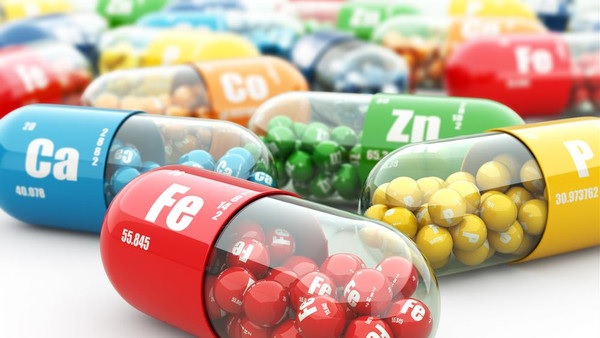
Free radicals cause chain reactions that damage cell membranes, proteins, and even our genes…which results in chronic diseases, such as arthritis, allergies, and heart disease, or simply, faster aging.
Antioxidants stop these damaging chain reactions in the body by neutralizing free radicals.
Normal body functions cause some free radicals. However stress, environmental toxins, trans fats, processed foods, pollution, and other lifestyle activities can also create them.
Antioxidant supplements are known to slow aging and prevent chronic diseases.
The power of an antioxidant is measured on the ORAC (Oxygen Radical Absorbent Capacity) scale. The higher the ORAC rating the more powerful the antioxidant.
If you’re perfectly healthy, you may not need antioxidant supplements. You may be able to get your needed nutrients from antioxidant foods (vegetables and fruits are good sources of antioxidants).
Top 10 High Antioxidant Foods: Goji berries. Wild blueberries. Dark Chocolate. Pecans. Artichoke. Elderberries. Kidney Beans. Cranberries.
However, it is becoming increasingly difficult to get enough antioxidants from our diet. That is why you need Antioxidant supplements in order to enhance your body’s ability to maintain vibrant health.
So its important to make antioxidant supplements a regular part of you diet.
Fish Oil supplements – Why You May Need
Many people miss out on some of the most important nutrients needed by the body: essential fatty acids (most especially omega 3, 6 and 9).
Omega 3 has been found to promote over-all health and prevent disease. It has significant positive effects on cardiovascular and heart health. It promotes skin health in general, improves visual function and helps boost the immune system.
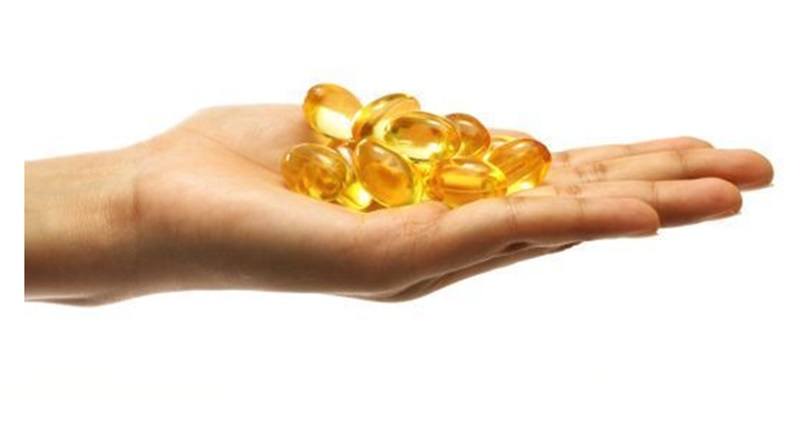
The misconception that all forms of oil are harmful to the body has existed for the longest time. In the past few decades, however, the idea that essential fatty acids are major contributors to better health has been discovered. It was also found that the best source of these essential fatty acids is fish oils.
Include salmon fish in your kid’s diet, it’s full of omega-3 fatty acids.

Omega 3 fatty acids are one form of polyunsaturated fat and are one of the so-called essential fatty acids (EFA’s). Our bodies do not have the ability to make EFA’s.
While the benefits of omega -3 are well known; this essential fatty acid is not easily produced in the body and is also not easily available in our diet (especially if you’re a vegetarian or if do not eat fish regularly).
Hence it is important that you obtain these from outside sources, mainly through supplements.
There are two general categories of omega 3 fatty acids.
- The first two types called DHA (docosahexanoic acid) and EPA (eicosapentaenoic acid) are both present in cold water fish,
- The third type called ALA (alpha-linolenic acid) are present in vegetables and flaxseed.
DHA and EPA are two forms that are readily absorbable by the body. ALA on the other hand would need to be converted to DHA or EPA first. This conversion can only happen given healthy conditions, and a normal healthy body can only convert a maximum of 20%.
Therefore, taking omega 3 directly from fish oils is the only way for you to take advantage of the benefits of these EFA’s. Better yet, taking supplements seems to be a much better alternative.
Ingredients that the fish oil vitamins should contain:
- Omega 3 fatty acids which includes three types: DHA, EPA and DPA.
- Other nutrients such as Vitamin E.

Buying Fish Oil Supplements in India
There are many in India who already take it (cod liver oil).
While many in India consume Fish oil supplements, not many give thought to the quality of the supplements.
For example, is it possible that the fish source is contaminated with toxins such as mercury, PCBs, and other harmful chemicals? The danger of environmental contamination is very likely.
So buy supplements from reputed companies. A cheaper brand can potentially contain toxins.
Reputable companies source their fish from good waters, especially from the deep sea where the fish are less likely to ingest pollutants. Besides, they also use further purification methods to remove harmful toxins from the fish.
Choose a Reliable Manufacturer
The supplement industry in countries like India is loosely regulated, and choosing a good supplement can be difficult. Some products do not even contain the active ingredients they should, and others do not the correct amounts needed to ensure optimal health.
So you have to be careful while selecting when choosing a vitamin supplement.
Look for a manufacturer that follows GMP guidelines, as these are the highest standard available.
Since what is on the label is no guarantee of what is actually in your supplement bottle, request a Certificate of Analysis (COA) for the product, which is available from the manufacturer. This will give a good indication of the quality and purity of the active ingredients. If the manufacturer does not supply this with every product they sell, simply choose another brand.
Summary
Because of our hectic lifestyle, following a planned diet can get challenging at times. Besides, with age the body is not able to absorb all the nutrients from our foods. This is where supplements could help. A regular multi-vitamin supplement should take care of all your daily vitamins and minerals need.










Leave a Reply